
Climate Action Week Sydney: Why Tourism Operators need to join the Sustainability Conversation.
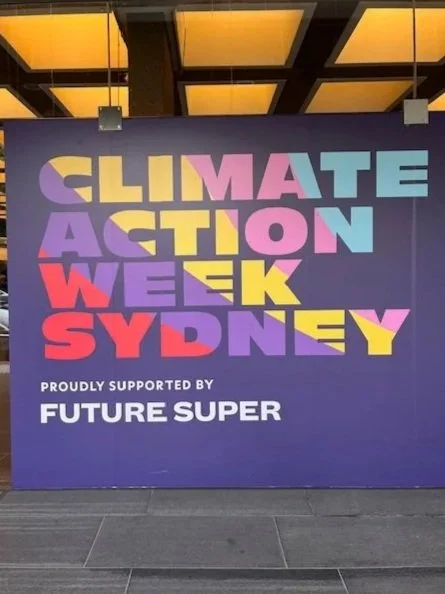
Opening of Climate Action Week 2026 Sydney, Australia
Most tourism operators don’t wake up thinking about climate policy.
They wake up thinking about bookings, guest reviews, staffing, rising costs, weather, and how to keep the business moving.
Fair enough.
But climate change is already shaping every one of those things.
That’s why I attended Climate Action Week Sydney www.caw.sydney last month, and why I was proud to speak on a panel about tourism’s role in the climate conversation.
Because whether we realise it or not:

Opening of Climate Action week Sydney - slides from City of Sydney Council
Tourism is both impacted by climate change and uniquely placed to help solve it.
First things first: What is Climate Action Week?
Many readers may not know that Climate Action Week is part of a growing global movement that brings together business, government, community groups, investors, and everyday people to accelerate climate solutions.
It began in New York City in 2009, alongside global climate leadership events, and has since spread to cities around the world.
This year marked the third Climate Action Week Sydney, with hundreds of events focused on practical solutions, innovation, resilience and community action.
And importantly, it’s not just for scientists or politicians.
It’s for all of us.
Including tourism.
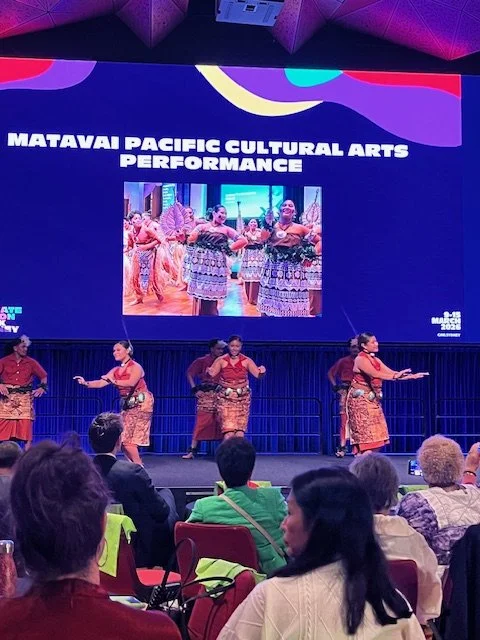
Opening of Climate Action Week 2026 Sydney, Australia
Why Tourism Belongs in the Climate Conversation
Tourism is often overlooked in climate discussions.
But it shouldn’t be.
Research from tourismemissions.org estimates that tourism is responsible for 8.8% of global greenhouse gas emissions.
The three biggest contributors are:
✈️ Aviation
⚡ Energy used to power accommodation, hospitality and tourism businesses
🚗 Ground transport
That’s worth reflecting on for a moment.
Tourism relies on beautiful places, healthy ecosystems and stable seasons.
Yet tourism also contributes significantly to the pressures those places face.
Which means tourism has something incredibly important:
The ability to become part of the solution.
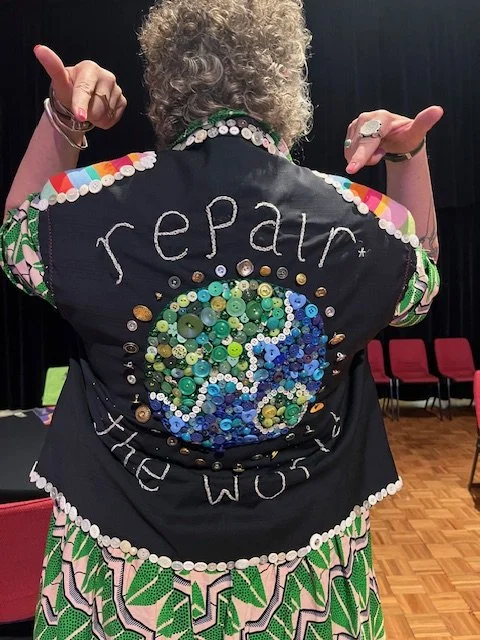
I agree we need to repair the world!
What I Heard at the Opening Sessions
There was a strong message that progress is possible when people, policy and innovation align.
A few stats that stopped me in my tracks:
⚡ California now has more EV charging locations than petrol stations.
⚡ China is leading the EV transition, with around half of new car sales now electric.
⚡ Australia has rapidly accelerated battery storage rollout in recent years.
There were also stories of ecological recovery.
In Northern California, dams have been removed, salmon runs have returned, and Californian condors, absent for decades, are nesting again.
A reminder that when we repair systems, nature often responds.
Speaking on the Tourism Panel
Later that day, I joined a panel hosted by Divers for Climate and Protect Our Winters to discuss the impacts of climate change on tourism and how nature-based industries can respond. www.diversforclimate.comprotectourwinters.org.au
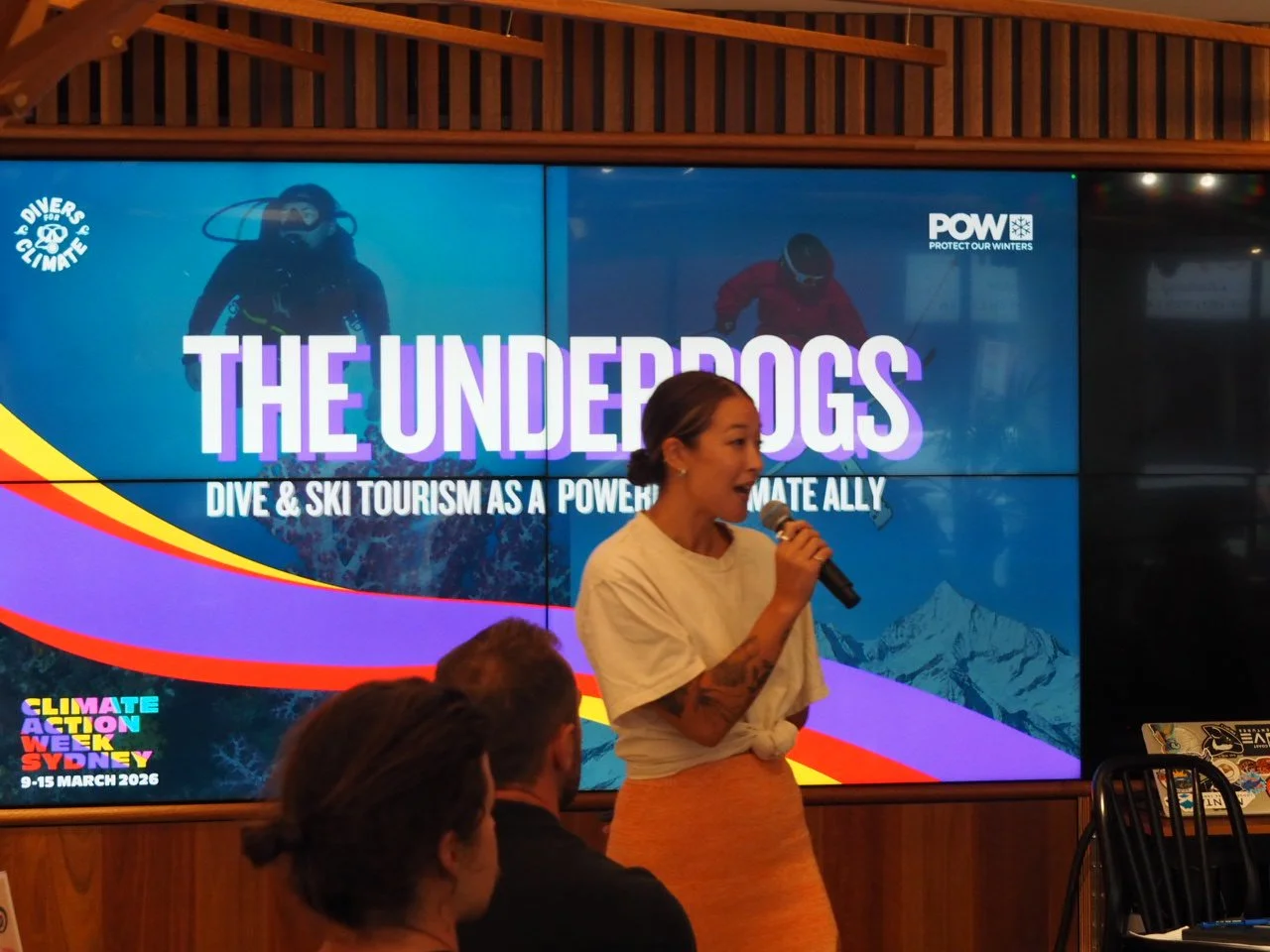
Yolanda Waters from Divers for Climate Action
I was joined by people who live and breathe these landscapes, from reef environments to alpine regions.
And one story has stayed with me.
A dive crew member working on a commercial reef boat on the Great Barrier Reef noticed a healthy sea anemone with clownfish swimming nearby on one of his trips out.
The next day when visiting the site, the anemone had died, however the clownfish were still circling it.
By the third day, they were gone too.
The tourists didn’t notice.
But the crew did.
That is what frontline tourism workers are increasingly seeing.
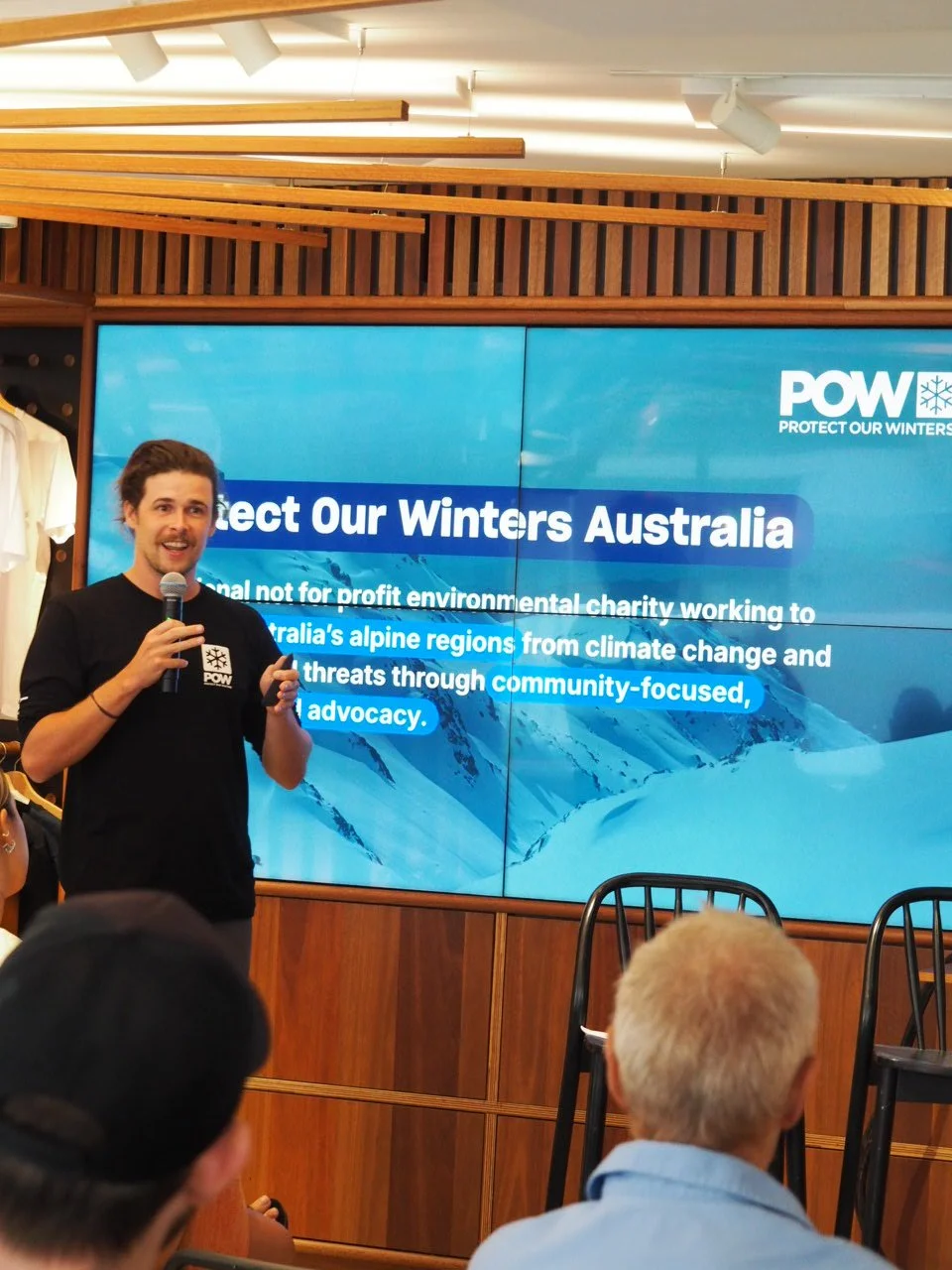
Sam from Protect our Winters
Environmental change, happening in real time.
South Australia’s Algal Bloom Is a Tourism Story Too
We also discussed the devastating algal blooms impacting parts of South Australia.
When ecosystems are hit, the effects go far beyond the water.
It impacts:
dive operators
accommodation providers
local cafes and restaurants
tour businesses
laundry services
retailers
entire small towns
When visitors stop coming, regional communities feel it immediately.
This is where climate change becomes more than an environmental issue.
It becomes:
an economic issue
a jobs issue
a wellbeing issue
a community resilience issue
And it is already happening in Australia.
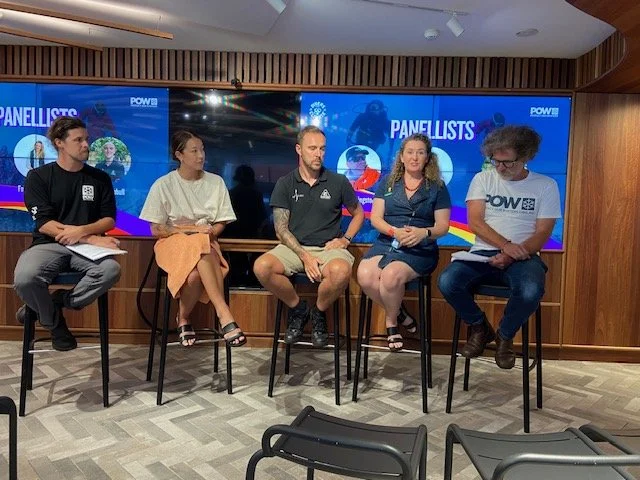
The panel at Climate action week 2026 The Underdogs, Dive and Ski Tourism as a powerful Climate Ally
Guests Are Asking More Questions
Tourism operators are increasingly being asked:
What’s happening to the reef?
Why is there no snow?
Is this climate change?
What are you doing here to be more sustainable?
These are no longer niche questions.
They are mainstream questions.
And that matters.
Because guests are paying attention. - Operators need to be able to answer and give hope that guests can be part of the solution.
What We’re Seeing at Our Own Cottage
At The Rangers Cottage, we’ve experienced this firsthand. www.airbnb.com.au/p/sustainablesydneyhome
Guests regularly tell us they love the sustainability steps we’ve taken.
They mention it in person.
They mention it in reviews.
They come back.
They recommend us to friends.
And many say they wish more accommodation businesses operated this way.
That tells me something very important:
Guests don’t want to be part of the problem. They want to be part of the solution.
But they need help finding businesses making that easy.
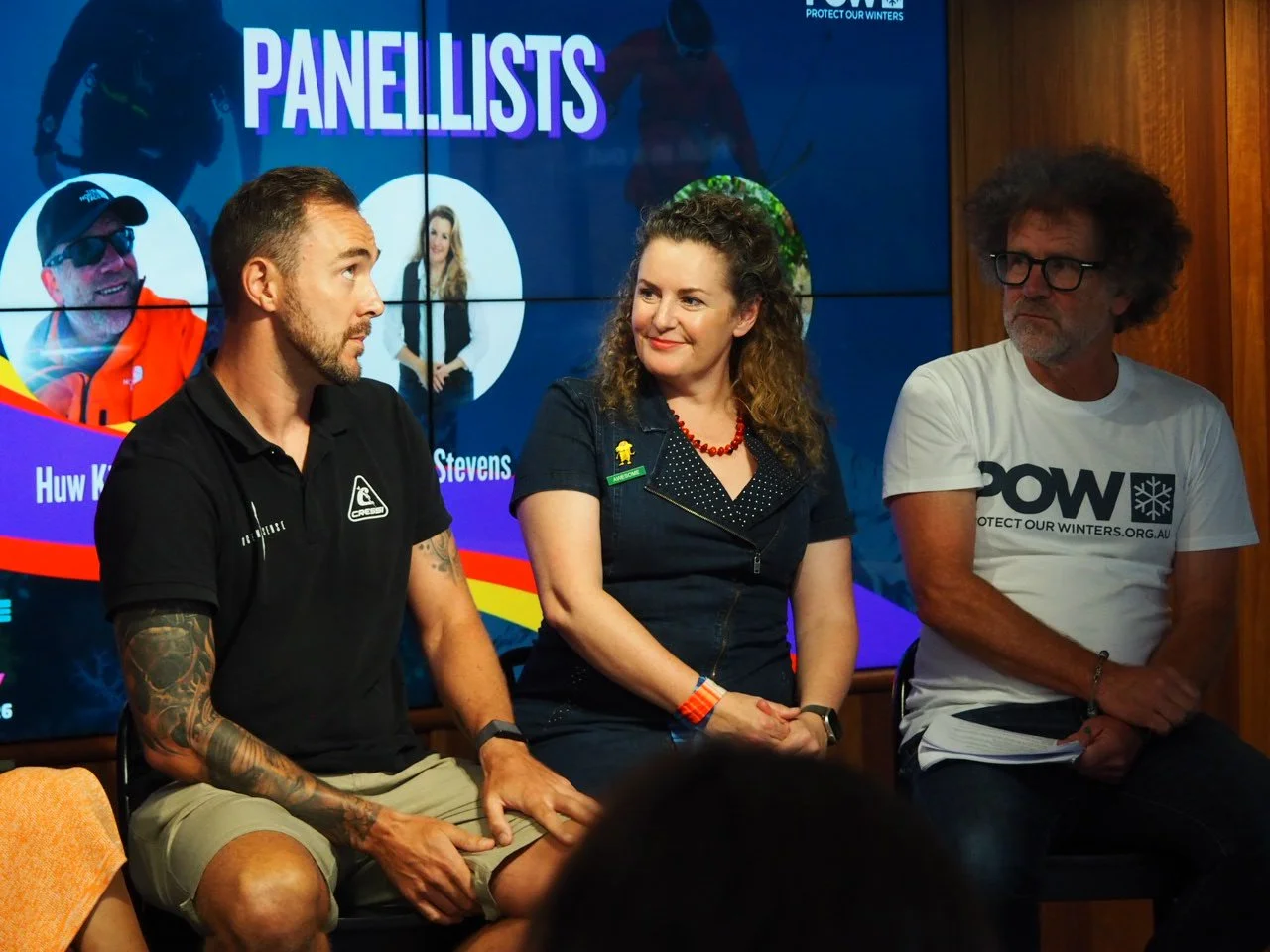
Panelists Matt Turnbull, Felicity Stevens, Huw Kingston
Tourism Can Be a Powerful Force for Good
Tourism operators are not just selling rooms, tours or meals.
We are shaping experiences.
We influence behaviour.
We help people connect with places.
That means every stay or experience is a chance to encourage:
lower-emissions travel choices
refill and reuse culture
better waste habits
local spending
nature appreciation
respect for place and community
This influence is often underestimated.
But it is real.
You Don’t Need to Be Perfect
One of the biggest mistakes I see is businesses thinking they need to “do everything” before they say anything.
You don’t.
Start where you are.
Maybe it’s:
switching from gas over time
improving insulation
refillable amenities
EV charging
composting food waste
promoting public transport
buying second-hand furnishings
supporting local suppliers
Small steps matter.
Especially when thousands of operators take them.
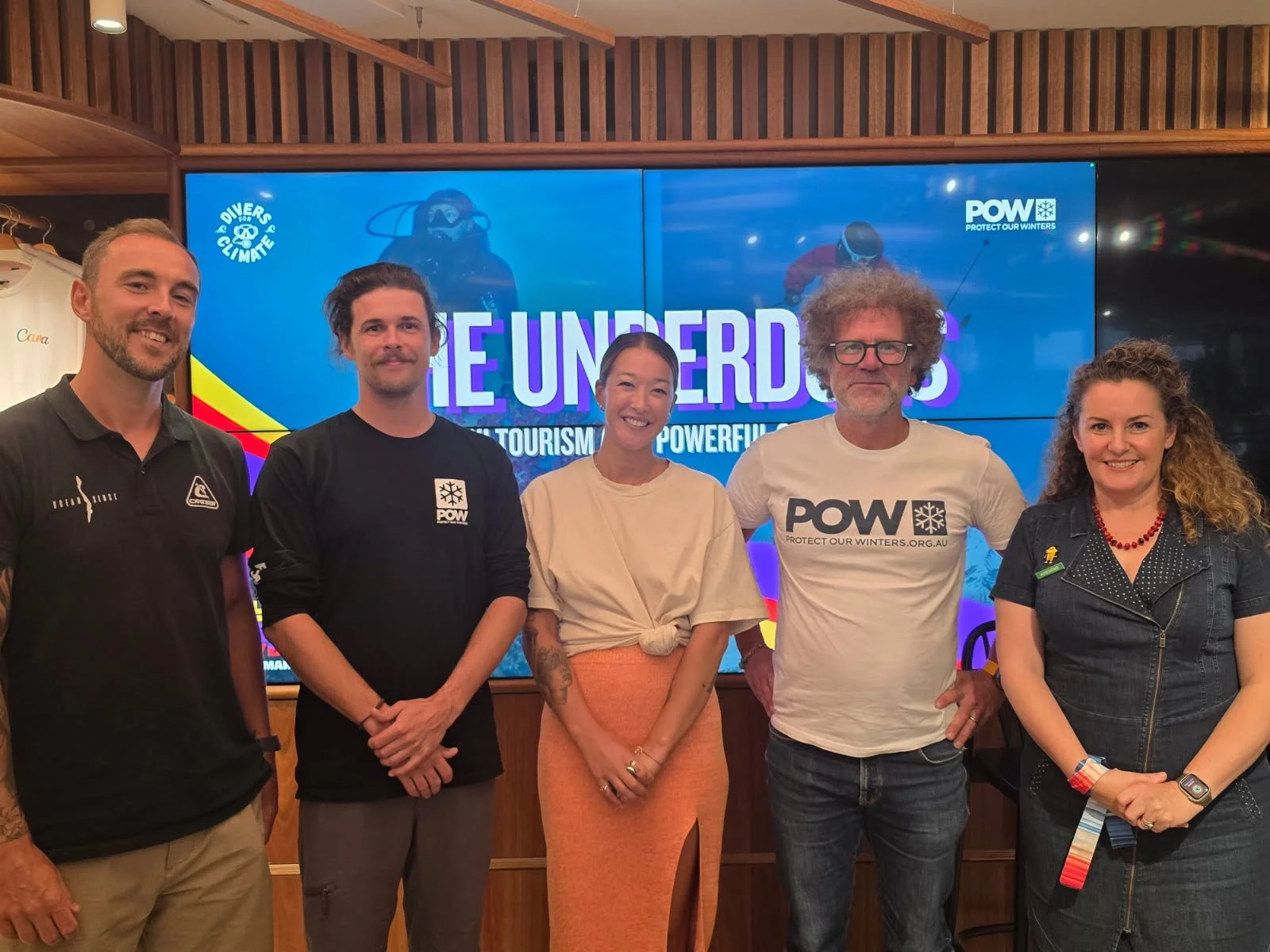
The full panel and a touch of climate stripes.
My Biggest Takeaway
Tourism can sometimes feel like the underdog in climate conversations.
But I believe it may be one of the most powerful sectors for change.
Because tourism sits at the intersection of:
people + place + behaviour + spending + storytelling
That is influence.
And influence matters.
Hope Is Active
That was one of the strongest messages of the week.
Hope is active.
For tourism, hope looks like action.
Not perfection.
Not waiting.
Action.
And if enough operators move, destinations move.
That gives me hope.
Want to Make Your Tourism Business More Sustainable?
That’s exactly why I created Sustainable Hosting — to help accommodation operators and tourism businesses take practical steps that are good for the planet and good for business.
Because sustainability is no longer a niche idea.
It is becoming part of good hospitality.
About Felicity Stevens
Founder of Sustainable Hosting, speaker and operator of The Rangers Cottage Manly. Helping tourism businesses reduce emissions, waste and attract sustainable travellers.